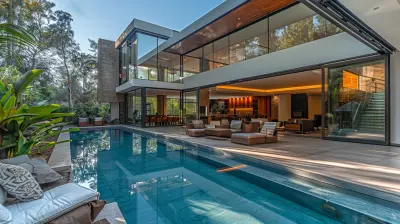
How Sustainable Materials Are Revolutionizing Green Home Designs
10 April 2026
When was the last time you stopped to think about what your house is actually made of? We don’t usually question it—concrete, bricks, wood, drywall… the usual suspects. But what if I told you that the future of homebuilding is looking a whole lot greener?
Sustainable materials are shaking things up in the real estate and construction industries. From reclaimed wood to mushroom-based insulation (yes, mushrooms!), homeowners and builders alike are getting creative with eco-friendly alternatives. And trust me, it’s not just about saving the planet—it’s about crafting homes that are healthier, more efficient, and downright beautiful.
Let’s dive into how sustainable materials are revolutionizing green home designs! 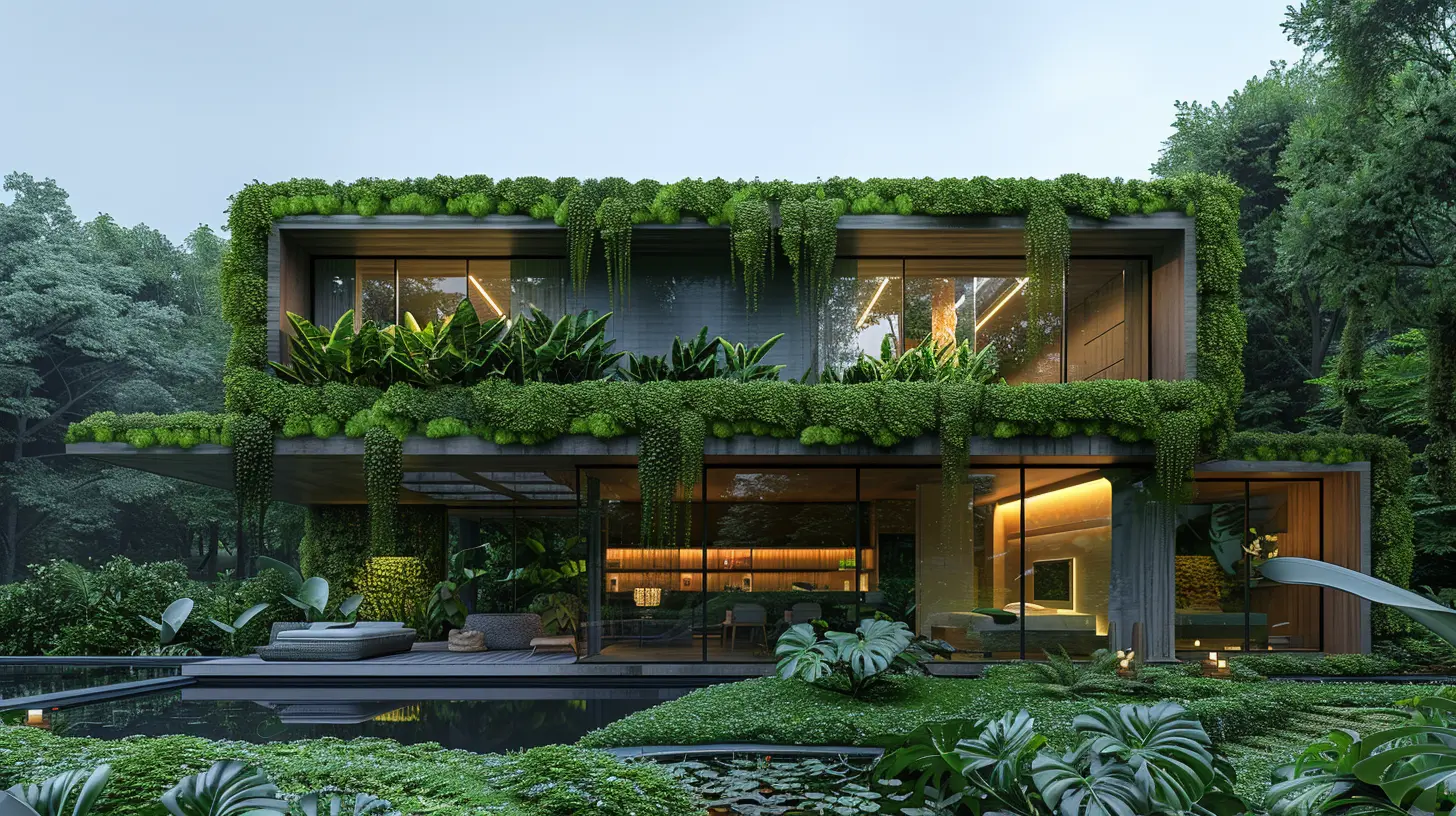
Why Should You Care About Sustainable Materials?
Alright, let’s get real—why does any of this matter?For starters, traditional construction materials are notorious for their environmental impact. The production of concrete alone contributes nearly 8% of global CO₂ emissions. And don’t even get me started on the deforestation caused by excessive lumber use.
By switching to sustainable materials, we’re not just being kinder to the planet—we’re also building homes that last longer, improve indoor air quality, and even cut down on energy bills.
A house that saves you money while saving the Earth? Talk about a win-win! 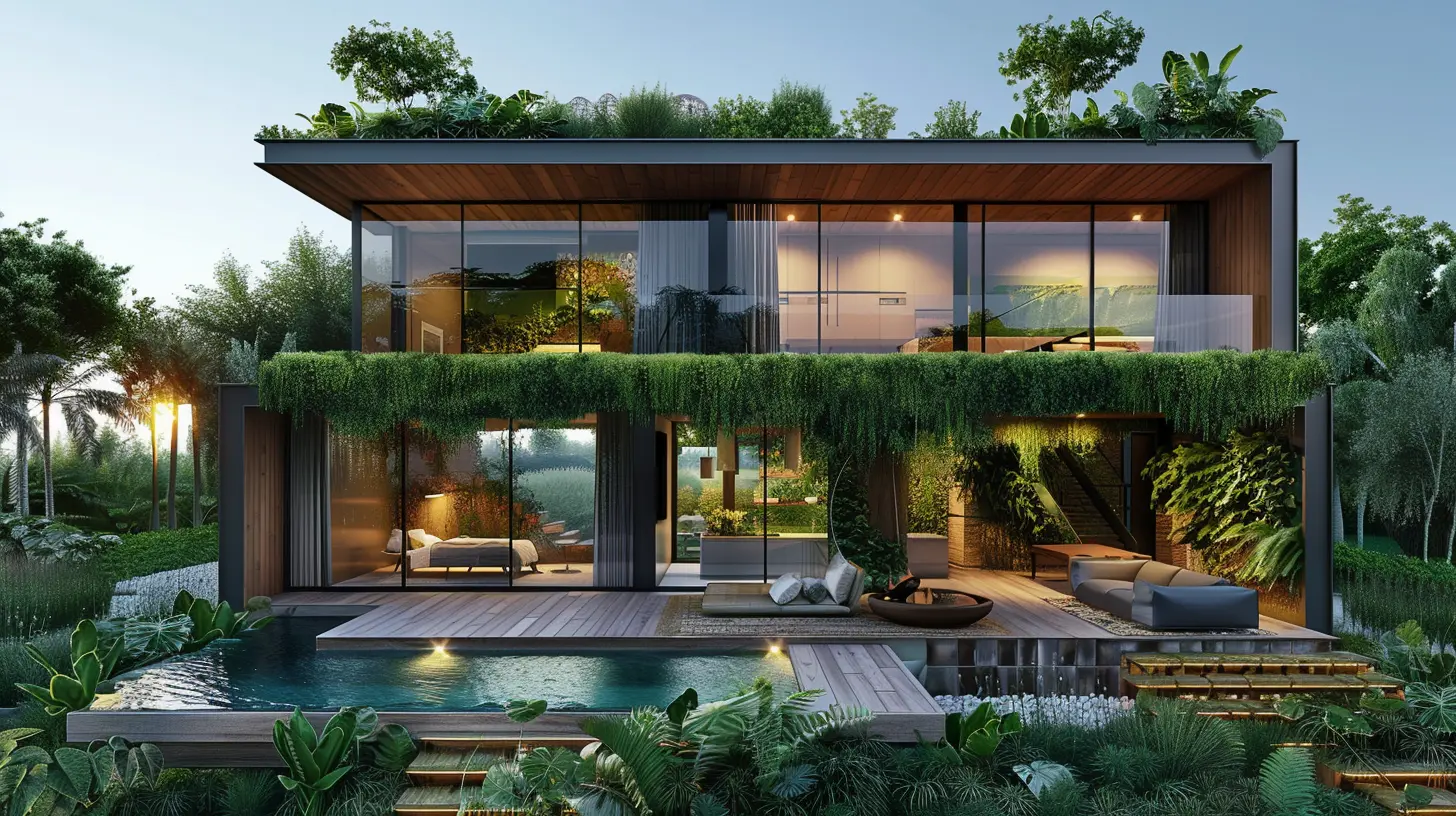
The Game-Changing Sustainable Materials in Green Home Design
Now, let’s get into the fun stuff—the materials that are shaking up home construction and making "green living" way cooler than it used to be.1. Bamboo: The Superstar of Sustainability
If there were an Olympic event for fast-growing plants, bamboo would take home the gold medal.This plant grows up to 3 feet per day, making it one of the most renewable resources on Earth. Unlike traditional hardwoods, which can take decades to mature, bamboo is ready for harvest in just 3-5 years.
Why It’s Awesome:
- Stronger than some types of steel- Naturally resistant to pests (goodbye, termites!)
- Aesthetic appeal that fits both modern and rustic home designs
Bamboo flooring, cabinetry, and even structural elements are popping up in eco-friendly homes everywhere, proving that sustainable design can be both stylish and durable.
2. Reclaimed Wood: Giving Old Timber a Second Chance
Reclaimed wood is basically the home-design equivalent of vintage fashion—it’s unique, full of character, and has a story to tell.Instead of cutting down new trees, builders salvage high-quality wood from old barns, factories, and even shipwrecks (yes, really). Not only does this reduce landfill waste, but it also adds a rustic, one-of-a-kind charm to any home.
Why It’s Awesome:
- Prevents deforestation- Each piece has a history and character
- Naturally durable and long-lasting
If you’re a fan of exposed beams, farmhouse-style floors, or antique furniture, reclaimed wood is a perfect eco-friendly choice.
3. Cork: Soft, Sustainable, and Surprisingly Stylish
You may only know cork from wine bottles, but did you know it’s also an amazing home-building material?Harvested from the bark of the cork oak tree (which regenerates after being stripped), cork is one of the most sustainable materials available.
Why It’s Awesome:
- Naturally resistant to mold, mildew, and fire- Provides excellent insulation (hello, lower electricity bills!)
- Soft and comfortable underfoot—perfect for flooring
Cork can be used for flooring, wall coverings, and even furniture, adding warmth and texture to home interiors.
4. Recycled Steel: Tough as Nails (But Way More Sustainable)
Steel might not be the first thing that comes to mind when you think "eco-friendly," but hear me out.Recycled steel uses 75% less energy compared to producing new steel and can be repurposed from old cars, appliances, and construction materials.
Why It’s Awesome:
- Incredibly durable—resistant to fire, pests, and extreme weather- Reduces the need for mining raw materials
- Helps lower construction costs in the long run
Many green homes are now built with recycled steel frames, which provide strength and stability without the environmental damage of traditional mining.
5. Hempcrete: The Concrete Alternative That’s Changing the Game
Concrete is one of the world's biggest CO₂ culprits, but there’s a game-changing alternative—hempcrete.Made from hemp fibers, lime, and water, hempcrete is a lightweight, breathable material that naturally regulates temperature and humidity.
Why It’s Awesome:
- Absorbs carbon dioxide over time- Mold-resistant and fireproof
- Provides excellent insulation, reducing energy costs
Hempcrete is gaining popularity as an environmentally friendly substitute for traditional concrete, and honestly, it’s about time!
6. Mycelium: The Fungi-Fueled Future of Homebuilding
Yes, you read that right—mushrooms are now part of the construction industry.Mycelium, the root structure of fungi, is being used to create eco-friendly insulation and even biodegradable bricks. It grows in just a few days, requires minimal resources, and is fully compostable at the end of its life.
Why It’s Awesome:
- 100% biodegradable- Naturally fire-resistant
- Insanely lightweight but surprisingly strong
We’re basically living in the future where buildings are grown, not built. How wild is that? 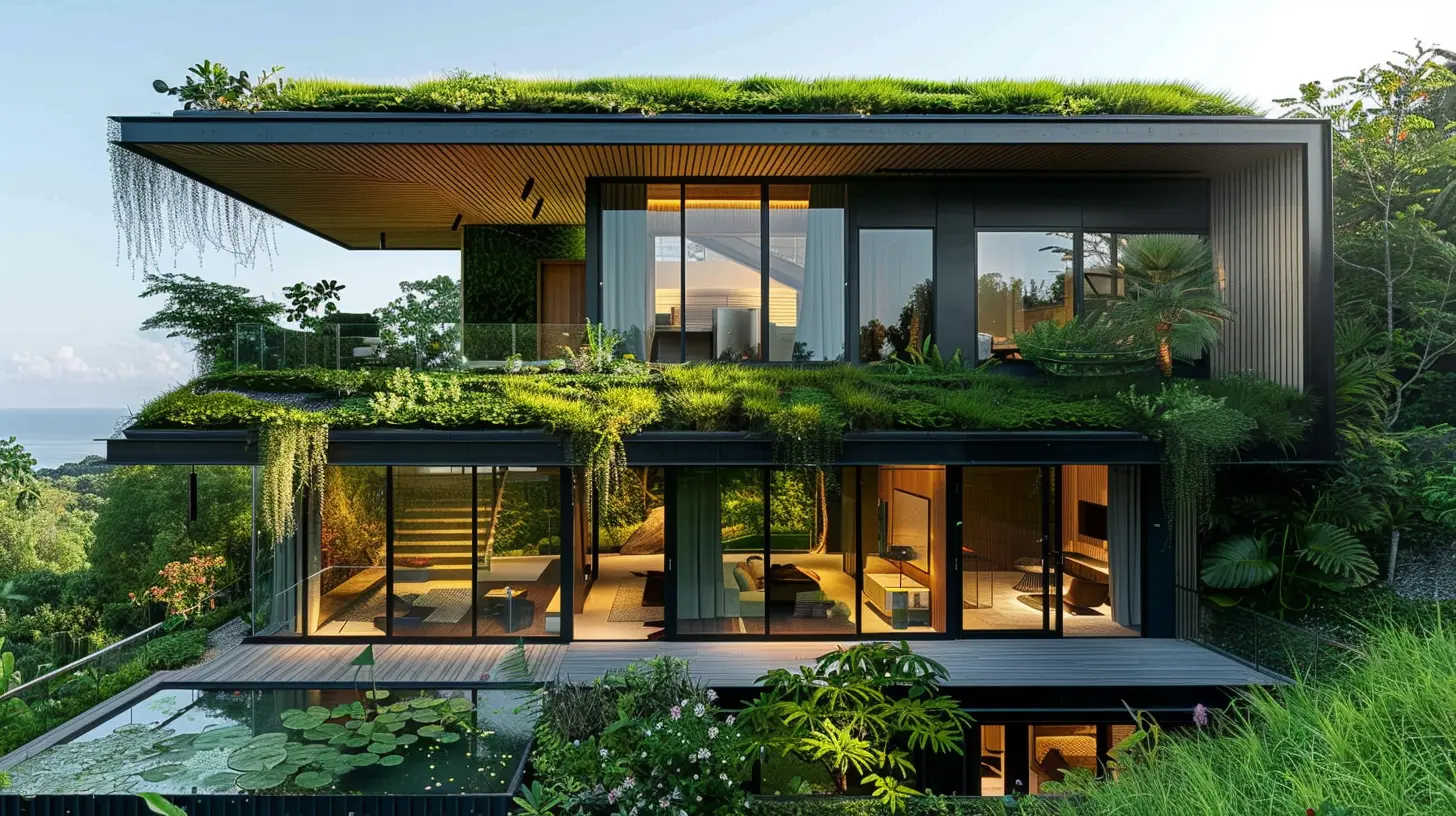
Sustainable Homes: More Than Just a Trend
So, is all of this just another fad? Absolutely not.Green home designs are more than just trendy Instagram aesthetics—they're the future of real estate. With rising energy costs, worsening climate change, and an increasing demand for healthier living spaces, sustainable materials are quickly becoming the new standard.
Homeowners and builders are now seeing the long-term benefits—lower utility bills, improved air quality, and increased property value. Plus, let’s be honest—who wouldn’t want to live in a house made of high-tech fungi and century-old reclaimed wood? 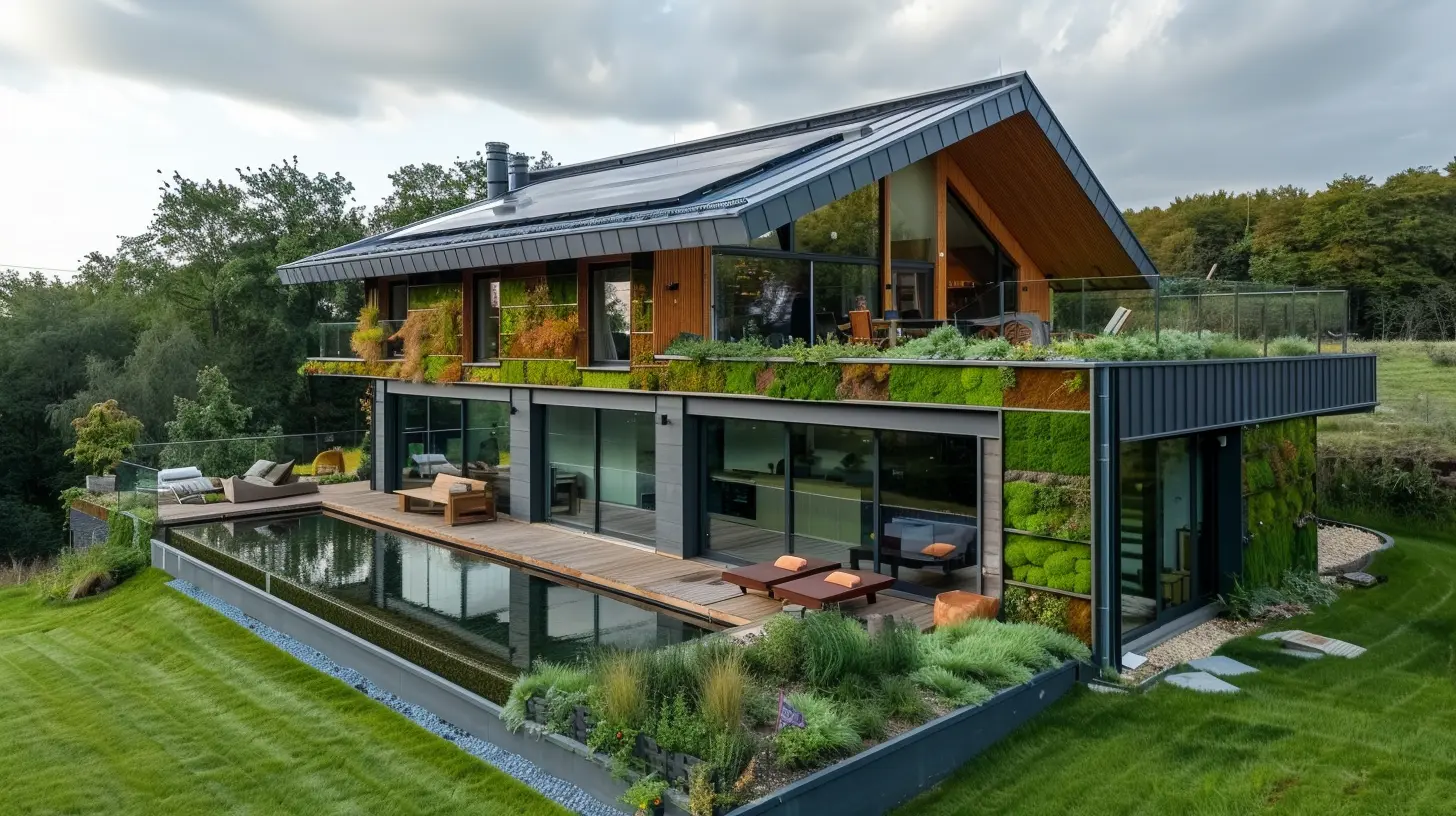
How to Incorporate Sustainable Materials into Your Home
Not ready to build an entirely eco-friendly house from scratch? No worries! You can gradually introduce sustainable materials into your space without breaking the bank.Easy Ways to Start:
✅ Opt for bamboo or reclaimed wood flooring✅ Use cork wall panels for a unique, insulated design
✅ Choose recycled steel for roofing or structural elements
✅ Upgrade your insulation with eco-friendly options like hempcrete or mycelium-based panels
✅ Repurpose materials from salvage shops to reduce waste
Even small changes can make a big environmental impact over time.
Final Thoughts
Sustainable materials are revolutionizing green home designs in ways we never imagined. From the strength of recycled steel to the futuristic magic of mushroom-based insulation, we're entering an era where homes are healthier, smarter, and more eco-friendly than ever before.The best part? These materials aren’t just good for the planet—they're good for our wallets and well-being too.
So, the next time you're thinking about a home renovation or even a brand-new build, consider going green. You’ll be surprised at how much beauty and functionality sustainable materials can bring to the table!
all images in this post were generated using AI tools
Category:
Green HomesAuthor:

Lydia Hodge
Discussion
rate this article
2 comments
Taryn Sweeney
Sustainable materials truly elevate home design.
April 11, 2026 at 4:32 AM
Lydia Hodge
Thank you! Sustainable materials not only enhance aesthetics but also promote eco-friendly living, making them essential for modern home design.
Seraphine Hayes
Finally, homes that care for the planet—who knew eco could be chic?
April 10, 2026 at 12:52 PM
Lydia Hodge
Absolutely! Eco-friendly design is not just beneficial for the planet but can also be stylish and modern. It's great to see sustainability becoming a chic choice in home design!