How to Navigate Rising Interest Rates in the Housing Market
25 February 2026
Buying a home is already a whirlwind of emotions—excitement, nerves, anticipation—but when you throw rising interest rates into the mix, it can feel downright overwhelming. If you’re in the market for a house or considering making a move, you might be wondering if now is the right time or if you should hold off.
The truth? Higher interest rates do impact affordability, but they don't mean you should abandon your homeownership dreams. You just need a strategy.
In this article, we’ll break down how to navigate rising interest rates in the housing market, helping you stay ahead of the game and make smart financial choices. 
📈 Understanding Rising Interest Rates and Their Impact
Before diving into strategies, let’s first understand what rising interest rates mean for homebuyers and homeowners.When interest rates go up, borrowing money becomes more expensive. That means higher mortgage payments, which can affect how much home you can afford. A small increase in rates might not seem like a big deal, but over the life of a 30-year mortgage, even a half-percent hike could add tens of thousands of dollars in interest.
For example, if you're looking at a $300,000 mortgage at a 3% interest rate, your monthly principal and interest payment would be around $1,265. But if that rate jumps to 5%, your payment skyrockets to $1,610—that's an extra $345 per month or $124,200 more over the life of the loan!
That’s why understanding how to navigate these changes is crucial.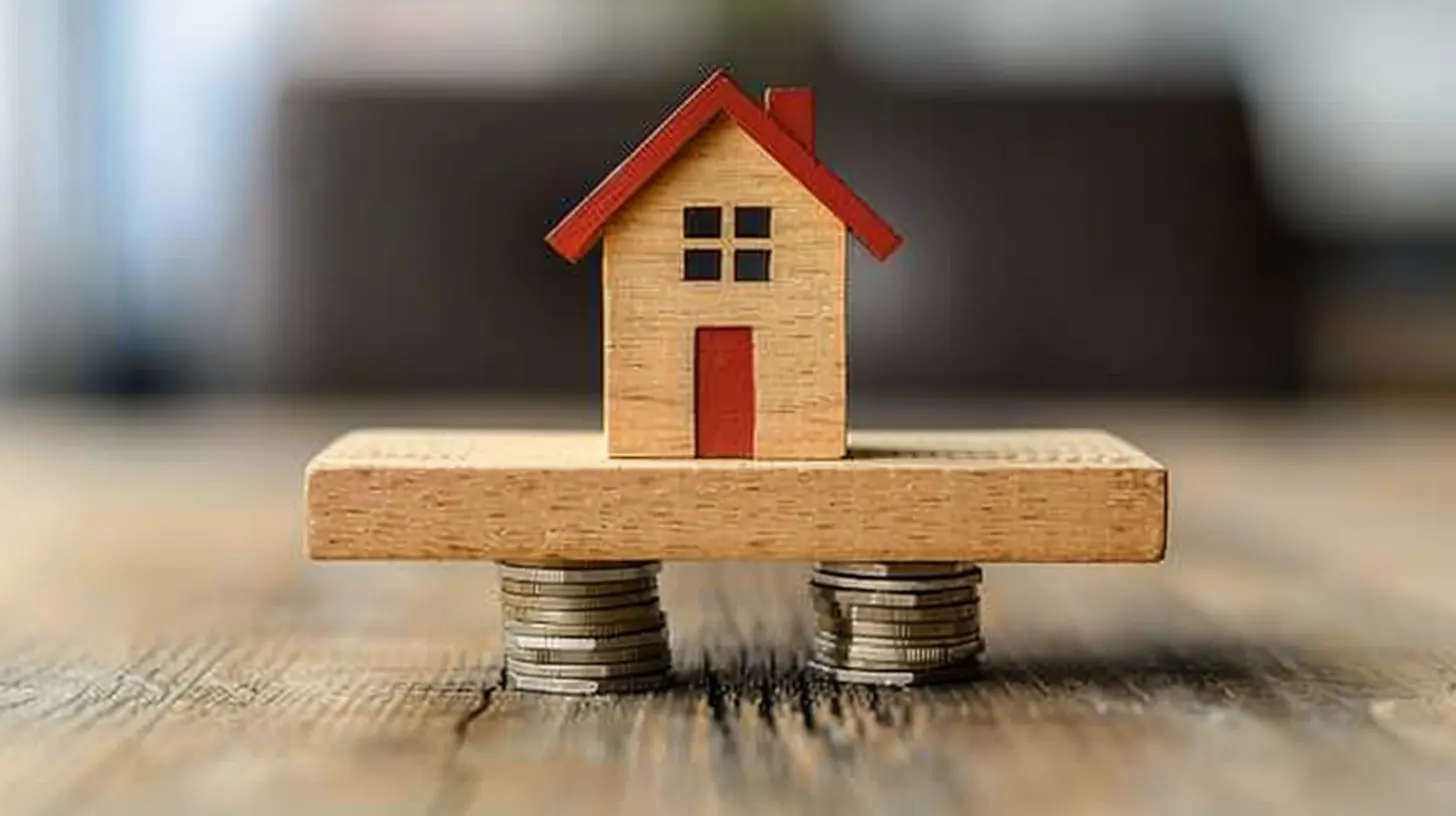
🏡 Should You Buy a Home When Interest Rates Are Rising?
If you’re on the fence about buying because of increasing interest rates, you’re not alone. Many buyers wonder if they should wait for rates to drop or if they should lock in a mortgage now.Here’s the thing—there's no crystal ball when it comes to interest rates. Trying to time the market perfectly is nearly impossible. While rates fluctuate, they historically trend upward over time. So, if you’re financially ready, waiting might cost you more in the long run.
Instead of fearing higher rates, focus on what you can control—your budget, credit score, and loan options.
🔑 Smart Strategies to Navigate Rising Mortgage Rates
Now, let’s get into the good stuff—how to make smart moves when rates are climbing.1. Get Pre-Approved and Lock in Your Rate
Mortgage rates can change daily, and in a rising-rate environment, every fraction of a percent matters. Getting pre-approved for a loan not only gives you a clear budget but also allows you to lock in your interest rate for a certain period.Some lenders offer rate lock extensions, ensuring your rate doesn’t increase while you finalize your home purchase. If you’re in the market, ask your lender about locking in a rate ASAP.
2. Consider an Adjustable-Rate Mortgage (ARM)
If you plan to stay in your home for a short period, an adjustable-rate mortgage (ARM) can be a great alternative. ARMs typically offer lower initial interest rates compared to fixed-rate mortgages.The trade-off? The interest rate may adjust after a set period (usually 5, 7, or 10 years). If rates drop in the future, great! If not, you can refinance before your rate adjusts.
3. Improve Your Credit Score
Your credit score plays a massive role in determining the interest rate you qualify for. The higher your score, the better the rate.Simple steps to boost your credit score include:
- Paying bills on time
- Reducing your debt-to-income ratio
- Avoiding new large credit inquiries before applying for a mortgage
Even a slight improvement in your credit score can translate to a lower interest rate, saving you thousands over the life of the loan.
4. Make a Larger Down Payment
A larger down payment reduces the amount you need to borrow, which in turn lowers your monthly mortgage payment. Plus, if you put down at least 20%, you can avoid private mortgage insurance (PMI)—another way to save money.If rates are rising and budgets are tight, consider saving a little longer to make a bigger down payment. It could make a significant difference in your overall cost.
5. Buy a Home You Can Afford Today
It’s tempting to stretch your budget when home shopping, but rising interest rates mean borrowing power decreases. Instead of maxing out your budget, focus on what you can afford comfortably with today’s rates.If needed, adjust your expectations—whether that means looking in a different neighborhood, considering a smaller home, or choosing a fixer-upper. The goal is to keep your housing costs sustainable, even if rates continue rising.
6. Refinance Later if Rates Drop
One of the best parts about homeownership? Your mortgage isn't permanent. If rates decrease in the future, you can often refinance your loan to secure a lower rate.While refinancing comes with closing costs, the long-term savings can be well worth it. Just keep an eye on the market and be ready to act when the time is right.
7. Negotiate with Sellers
When interest rates rise, demand in the housing market may cool down, shifting some power back to buyers. This means sellers may be more open to negotiations.Some strategies to negotiate a better deal include:
- Asking for seller concessions, such as covering closing costs
- Requesting a rate buydown, where the seller contributes toward lowering your mortgage rate
- Making offers on homes that have been sitting on the market longer
Being strategic in negotiations can help offset the impact of higher interest rates.
🏠 What If You Already Own a Home?
If you're a homeowner wondering how rising interest rates affect you, here are some key points to consider:- Fixed-Rate Loans: If you already have a fixed-rate mortgage, your interest rate won’t change. That’s the beauty of a fixed loan—you’re locked in!
- Adjustable-Rate Loans: If you have an ARM, your rate may increase when it resets. Talk to your lender about potential refinancing options.
- Home Equity Loans: If you're thinking about taking out a home equity line of credit (HELOC), rising rates mean higher borrowing costs. Consider locking in a fixed-rate home equity loan instead.
If you’re planning to sell, keep in mind that rising rates may reduce demand. However, buyers are still looking! Pricing your home competitively and offering incentives can attract serious buyers.
🎯 Final Thoughts
Rising interest rates don’t have to derail your homeownership plans. Whether you’re buying your first home or upgrading to your dream house, the key is to be proactive, plan ahead, and make informed decisions.By keeping your credit score in check, locking in rates when possible, and staying within a comfortable budget, you can navigate the housing market with confidence. And remember—homeownership is a long-term investment. Rates may rise and fall, but in the grand scheme of things, buying a home is about building a future.
So, if you're ready to buy, don’t let interest rates scare you off. Armed with the right strategy, you can still find the perfect home at the right price.
all images in this post were generated using AI tools
Category:
Real Estate MarketAuthor:

Lydia Hodge
Discussion
rate this article
2 comments
Paul Vaughn
Rising interest rates? Think of them as the housing market's way of keeping things spicy! Just like a hot chili, they may make you sweat, but with the right recipe, you can still cook up a great deal!
March 8, 2026 at 3:56 AM
Lydia Hodge
Great analogy! Just like cooking, navigating rising interest rates requires the right strategy to turn challenges into opportunities.
Arwen McCarty
In the face of rising interest rates, opportunity abounds! Stay informed, be strategic, and embrace creative solutions. Every challenge is a chance for growth—your dream home is still within reach. Keep pushing forward, and success will follow!
March 3, 2026 at 3:27 AM
Lydia Hodge
Thank you for your encouraging comment! Staying strategic and open to creative solutions is key during these times. Let’s keep pushing forward together!