How to Request a Variance from Your HOA
4 February 2026
If you've ever wanted to install a privacy fence, paint your house a bold color, or expand your patio—only to hit a big, bureaucratic wall labeled “HOA rules”—you’re not alone. Homeowners Associations (HOAs) can be sticklers for order, and (let’s be real) sometimes their rules can feel a little...restrictive.
But here’s the secret sauce most people don’t know: you might be able to bend those rules with something called a “variance.” Yep, it's kind of like asking for a hall pass from your HOA. And if done right, it can give you the freedom to make the changes you want—legally.
So, let’s dive into how to request a variance from your HOA without turning it into a full-blown neighborhood drama.
What Is an HOA Variance Anyway?
Put simply, a variance is an official exception to the rules laid out in your HOA’s governing documents (usually called the CC&Rs – Covenants, Conditions, and Restrictions). It allows a homeowner to do something that’s normally not allowed.Think of it like this: your HOA has a rulebook, and asking for a variance is like saying, “Hey, can I make a small edit to my copy of this book? Just this once?”
It doesn’t mean you get to ignore the rules forever. It’s more like a tailored permission slip.
Why You Might Need a Variance
Before we get into the how, let’s talk about the why. There are plenty of reasons a homeowner might request a variance. Here are some common ones:- You want to build a shed or guest house that exceeds size limits or encroaches on set-back areas.
- You dream of a bold new paint color that’s not on the “approved colors” list.
- You need to install a taller fence for privacy or safety reasons.
- Your property has a unique shape or terrain that makes compliance tricky.
- You're planning on expanding your driveway or patio, which might exceed impervious surface limits.
Some requests are purely aesthetic while others might be functional or based on necessity. Either way, the key is to make a good case.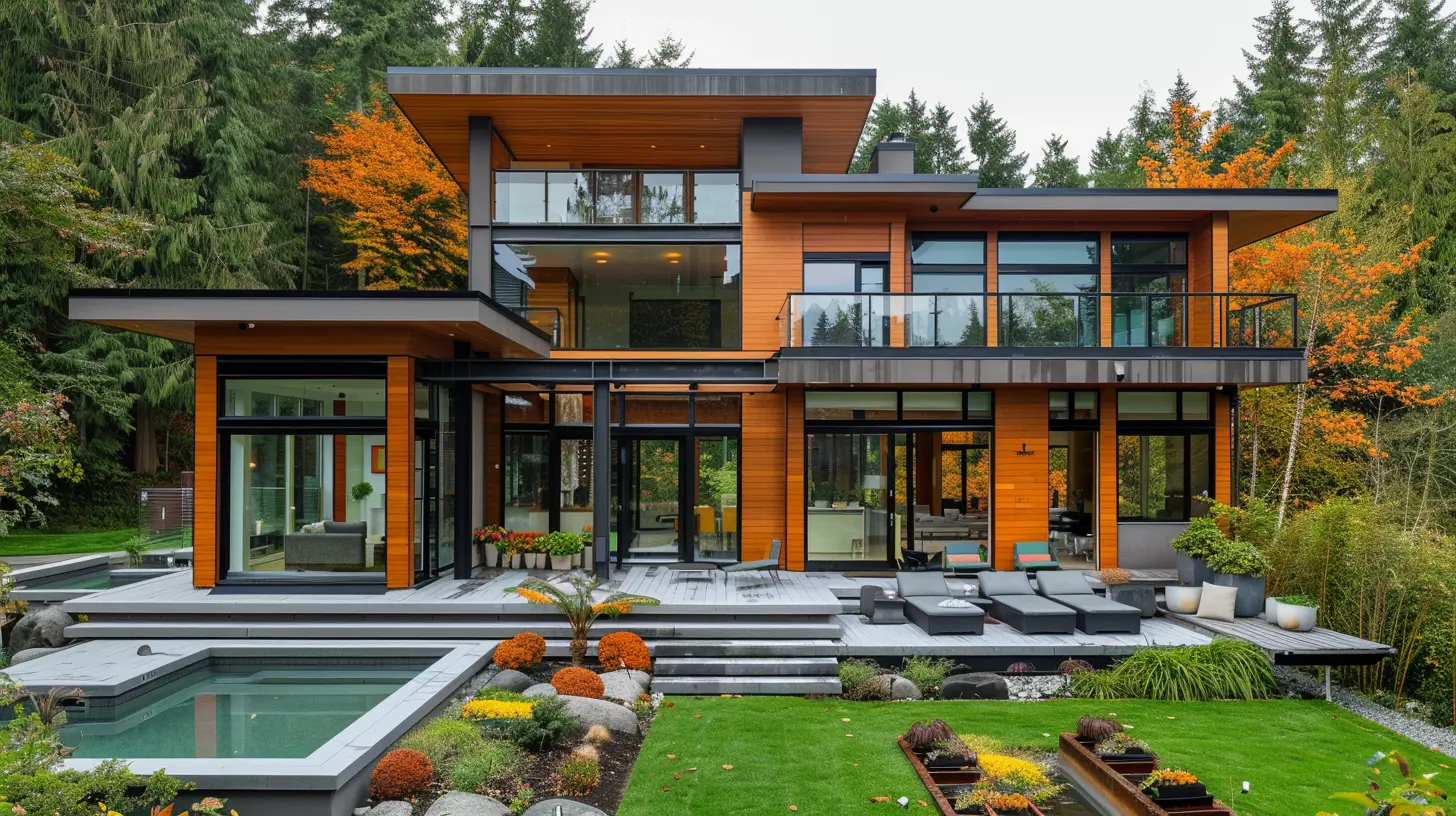
Step-by-Step: How to Request a Variance from Your HOA
Let’s walk through the process like we’re sitting down for coffee and hashing this out together.1. Read Your HOA’s Guidelines (Yes, the Boring Stuff)
Before you do anything else, crack open that HOA handbook. You know, the one collecting dust in your junk drawer?You’ll need to:
- Identify the specific rule(s) that your request would violate.
- Look for any language about “variance requests” or “architectural review.”
- Note any deadlines, forms, or procedures your HOA expects you to follow.
This isn’t the fun part, but it’s crucial. Think of it like studying the playbook before the big game.
2. Talk to Other Homeowners (Especially If They've Done Something Similar)
Here’s a pro tip: your neighbors may have already paved the way.If you’ve noticed someone with a similar improvement—a deck extension, a quirky paint job, a satellite dish where it “shouldn’t” be—ask them how they got it approved. Did they get a variance? Were there objections?
HOAs often rely on precedent. If someone else got a variance, you’ve got a stronger case.
3. Prepare a Clear, Respectful Written Request
This is your pitch, and you’ll want to keep it solid, respectful, and well-structured.Your variance request letter should include:
- Your property address and contact info
- A description of what you're requesting
- The specific rule or restriction being challenged
- The reason(s) you’re requesting the variance (be honest but persuasive)
- Supporting documents like photos, sketches, contractor plans, etc.
Here’s a quick example of how to start:
> “Dear HOA Board,
> I’m writing to formally request a variance allowing me to build a 7-foot privacy fence along the rear edge of my property at 123 Main Street. While the current guideline limits fences to 6 feet, I’m requesting an exception due to…”
You get the idea.
4. Provide Evidence and Justification
Think of this like building a mini legal case—but without the courtroom drama.What kind of evidence helps?
- Photos showing why the variance is necessary (e.g., a steep incline or odd lot shape)
- Letters of support from neighbors
- City codes or permits that back up your plan
- Contractor diagrams or renderings
- Examples of similar variances that have been granted
Your goal is to show the board that this isn’t just a whim—it’s reasonable, intentional, and low-impact to the community.
5. Submit to the Architectural Review Committee (ARC)
In most HOAs, there's a sub-committee called the ARC or ACC (Architectural Control Committee). They're the folks who evaluate variance requests, home additions, paints, fences—all that jazz.Make sure you:
- Submit your request formally (email or paper, depending on their preference)
- Include all supporting documents
- Follow up if you don’t hear back within the standard review period (usually 30–60 days)
And just a heads-up: some HOAs charge a small fee to process variance requests. Be prepared for that.
6. Be Ready to Attend a Meeting
In some cases, the board might want to discuss your request face-to-face (or Zoom-to-Zoom, these days). Don’t panic—it’s just a chance to clarify details or answer questions.When you attend, be polite, confident, and open to feedback. This isn’t the time to play "I pay dues, I do what I want!" That approach rarely ends well.
Think of it as a conversation, not a confrontation.
7. Wait for the Official Response (and Be Gracious Either Way)
After the review, the board will send you a decision—usually in writing.If approved: Woohoo! Time to get those permits and move forward.
If denied: Take a breath. You can usually appeal or adjust your proposal for re-submission.
Whatever happens, keep things civil. Burning bridges with your HOA can make future requests a lot harder.
Tips for a Successful HOA Variance Request
Alright, quickfire tips time. If you remember nothing else, remember these:- Be proactive, not reactive: Don’t start the project and ask for forgiveness later. HOAs hate that.
- Know your rights: Some states limit HOAs from enforcing overly restrictive rules. Know your city or state laws.
- Build neighbor support: A couple of “we're cool with it” signatures go a long way.
- Present it professionally: Clear drawings, neat docs, and respectful language make a difference.
- Don’t get emotional: It’s easy to get frustrated, but stay calm and rational. It helps your case.
Common Reasons Why Variance Requests Get Denied
Sometimes, even great requests get the thumbs down. Here are the usual suspects:- It sets a precedent they don’t want repeated
- It clearly violates city code or safety laws
- Neighbors strongly objected
- It’s too large, too loud, or too visible
- The proposal lacked details or proper paperwork
If your request gets denied, ask for specifics. Knowing why you were denied is the first step in crafting a stronger appeal.
When to Consult an Attorney or Real Estate Agent
You don’t always need professional help, but sometimes it’s wise. If:- Your HOA is being unreasonably inflexible
- You believe the rules are outdated or discriminatory
- Your variance is tied to a real estate transaction
...then it might be time to loop in a real estate attorney or a local agent familiar with HOA practices. They can advocate on your behalf or even negotiate terms.
Conclusion: Variances Aren't Unicorns—They're Doable
Look, we’ve all heard HOA horror stories. But asking for a variance doesn’t have to be one.If you approach it like a grown-up, make a clear case, and show respect for the process (and your neighbors), you’ve got a solid chance of success.
Remember: HOAs exist to maintain property values and harmony—not to make your life miserable. When they see that your request aligns with the community's overall feel (even if it bends the rules a bit), they’re far more likely to give you the green light.
So go ahead—dream big. Just be ready with a plan, a few solid documents, some neighborly charm, and maybe a fresh batch of cookies (no promises, but it might help).
all images in this post were generated using AI tools
Category:
Hoa GuidelinesAuthor:

Lydia Hodge
Discussion
rate this article
2 comments
Lira Valentine
Requesting a variance from your HOA? Remember, it's all about the art of persuasion—craft your case clearly, respect the rules, and don’t forget to charm them!
February 23, 2026 at 4:19 AM
Lydia Hodge
Thank you for your insightful comment! Persuasion is indeed key when requesting a variance. Clear communication, adherence to rules, and a friendly approach can make all the difference.
Kenzie Bishop
Navigating HOA variances can transform your vision into reality! Empower yourself with knowledge, advocate for your needs, and turn challenges into opportunities for a dream home.
February 5, 2026 at 5:27 AM
Lydia Hodge
Absolutely! Understanding the process is key. Empowered homeowners can indeed make their visions come true.