How to Work with Your HOA for a Custom Fence Design
28 April 2026
Let’s face it—fences are more than just wooden planks or metal bars surrounding your backyard. They frame your property, offer privacy, and sometimes, they’re the first impression your home gives to the world. But, when you live in a community managed by a Homeowners Association (HOA), throwing up a fence isn't as easy as grabbing a shovel and a hammer.
You’ve got big plans for a custom fence—maybe it’s modern horizontal slats, a farmhouse-style white picket look, or even an eco-friendly green wall. But before you start dreaming in cedar or wrought iron, there’s a crucial gatekeeper to pass: your HOA.
If you're wondering how to work with your HOA for a custom fence design without pulling your hair out, you're in the right place. Let's walk through this together, piece by piece—just like building a fence.
Why HOA Approval Even Matters
Okay, so you might be thinking, “Why do I even need HOA approval? It’s my property!” Fair point. But HOAs exist to maintain a uniform appearance in the neighborhood and protect property values. Think of them like the referees in a game—annoying sometimes, but they help keep order.They have guidelines about design, material, height, color, and even placement of fences. Deviating from those rules without approval? That can cost you big time. Fines, forced removals, or legal issues aren't unheard of.
So yeah, playing by the rules may take a little more time and patience, but it saves you a ton of hassle in the long run.
Step 1: Read the HOA's CC&Rs (Seriously)
First things first—grab your copy of the Covenants, Conditions, and Restrictions (CC&Rs). Every HOA has them. If you’re not sure where they are, check the HOA’s website or contact a board member.Yes, it might feel like reading a foreign language, but this document outlines:
- Fence height limits
- Approved fence materials
- Setback requirements (how far from property lines you can build)
- Color and design guidelines
- Required permits
Don’t skim it. Pour a coffee, sit down, and take notes. It’s like your fence design Bible. The more you know, the better equipped you are to design something that fits the rules but still reflects your personal style.
Step 2: Know What You Want (But Be Flexible)
It’s easy to fall in love with a Pinterest-worthy fence, but it’s even easier to get shot down by your HOA if it doesn’t meet their standards.Start by figuring out what you want in a fence:
- Is privacy your top concern?
- Do you want something decorative?
- Looking for low maintenance?
- Do you have pets or kids that need containment?
Once you’ve got your vision, be prepared to tweak it to meet HOA requirements. Maybe you wanted a black steel fence, but the HOA only allows wood. Don’t panic—you can work with that.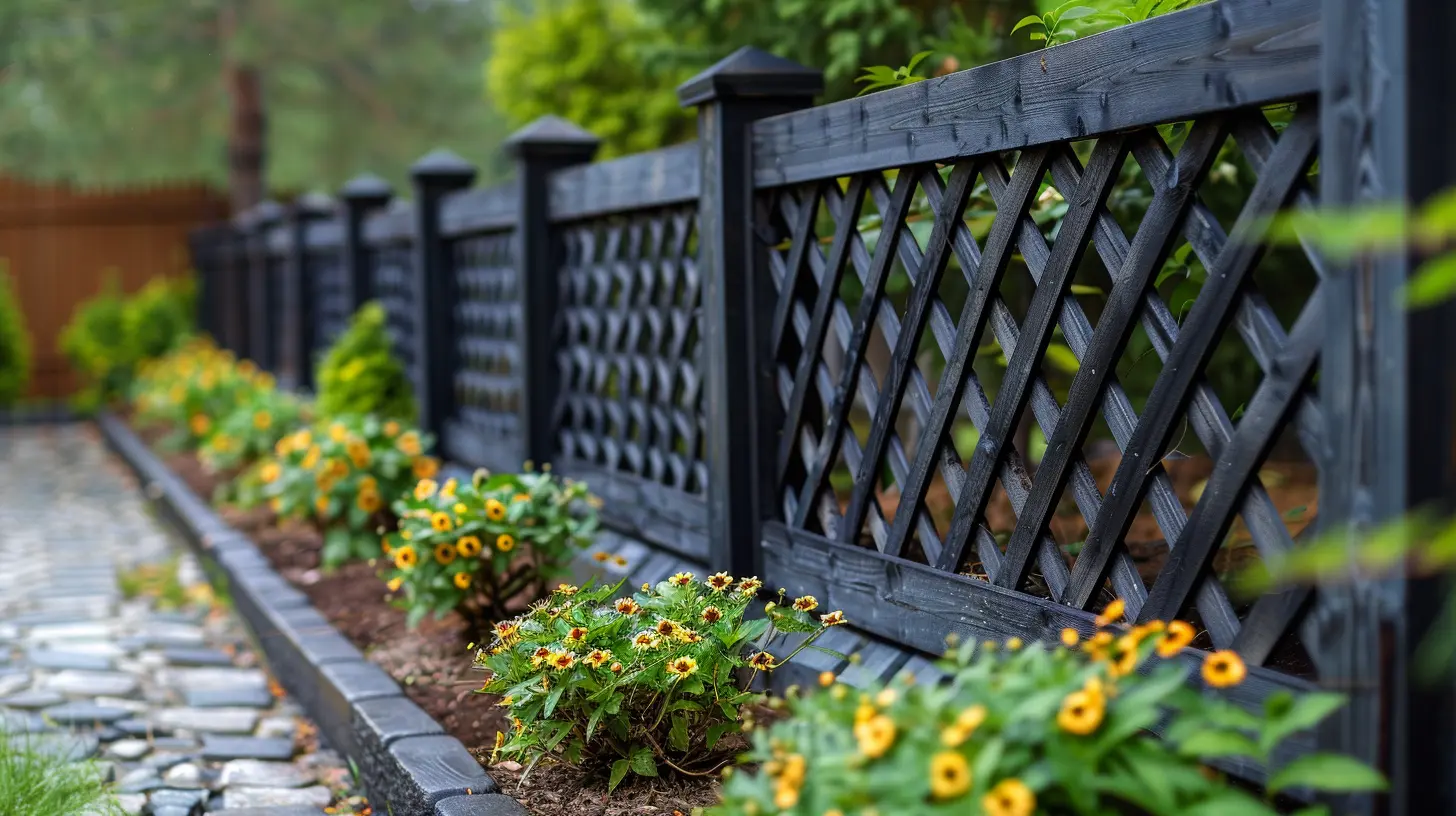
Step 3: Draft a Simple, Clear Proposal
You’re not just building a fence. You’re pitching an idea. So, treat your proposal like a mini project presentation.Here’s what to include:
- A clear design sketch or diagram
- Description of materials and colors
- Fence height and length
- Placement on the property (attach a site plan if you can)
- How it meets HOA guidelines
- Photos of similar fence styles for reference
The goal? Make it ridiculously easy for the HOA to say “yes.” Think of it like laying out all your cards, face-up. No mystery, no guesswork.
Step 4: Communicate Early and Often
One of the most common reasons someone butts heads with an HOA? Poor communication.Don’t wait until the last minute to submit your request. Contact a board member or the architectural review committee early in the planning phase. Ask about the approval process—and any unspoken expectations not listed in the CC&Rs.
You might be surprised—some HOAs are flexible if you’re proactive and respectful. Others... not so much. Either way, starting a dialog early helps you avoid surprises and builds a rapport with the decision-makers.
Also, document every interaction. Keep emails, meeting notes, and approvals in a dedicated file. This isn’t just fence-building—it’s smart adulting.
Step 5: Be Patient (But Persistent)
HOA boards don’t always move at lightning speed. They might meet once a month, and your proposal could sit until the next meeting. Annoying? Yep. But try not to lose your cool.Follow up politely if you haven’t heard back after a couple of weeks. It’s perfectly fine to check in and ask for an update.
Remember: patience is a virtue, but persistence gets fences built.
Step 6: Get It in Writing
Verbal “go-aheads” mean absolutely nothing in HOA land. Hold out for an official written approval—preferably with a signature and date.Why? Because board members change. What one member approved today, another might reject next month. Having written documentation protects you from about-faces or misunderstandings down the line.
Step 7: Hire HOA-Savvy Professionals
Once you’ve got the green light, it’s go time! But before you start building, make sure your contractor:- Is licensed and insured
- Understands HOA requirements
- Has experience working in HOA-managed communities
Some contractors even offer to communicate directly with the HOA on your behalf. That’s a huge bonus because they speak the HOA language—and you don’t have to be the middleman (or woman).
Also, confirm that all required city or county permits are in place. Just because the HOA approved your fence doesn’t mean you’re off the hook with local laws.
Step 8: Keep Your Neighbors in the Loop
Even if your HOA approves your fence, your neighbors still have to live next to it. Want to avoid awkward run-ins at the mailbox?Give them a heads-up before construction starts.
Something simple like, “Hey, just wanted to let you know we’re installing a new fence next week. It’s approved and within guidelines, but let me know if you have any concerns.”
Trust me—this small courtesy goes a long way.
Step 9: Stay in Compliance After Building
Your fence is up, and it looks amazing. But your responsibilities aren’t over. If your HOA has rules about maintenance—such as paint touch-ups, cleaning, or repairs—you’ll need to follow through.An unkempt or damaged fence can trigger fines or even complaints from other residents. Think of this like owning a car. Just because you bought it doesn’t mean you can skip the oil changes.
What If the HOA Says No?
Let’s say you did everything right, and the HOA still rejected your design. What now?First, don’t panic. Ask for clarity. What specifically didn’t they approve? Often, a small revision—a shorter height, a different stain, a slight material change—can turn a “no” into a “yes.”
If you still feel the rejection is unfair or inconsistent with similar approvals in the community, you can:
- Attend a board meeting and present your case
- Submit an appeal, if allowed
- Gather support from neighbors (a show of community support can carry weight)
- Consult a real estate attorney if you face unreasonable resistance
Just remember—pick your battles. Fighting with the HOA should be a last resort, not your opening move.
Wrapping It All Up: Your Fence, Your Way (With HOA Approval)
Designing and building a custom fence in an HOA-run neighborhood might feel like a bureaucratic maze. But with a little planning, clear communication, and a calm approach, you can absolutely make it happen.The key is to treat your HOA not as the enemy, but as a partner in the process. Understand their rules, involve them early, and work with professionals who know the ropes.
In the end, you’ll not only have a beautiful, custom fence—but you’ll also have the peace of mind that it’s 100% legit.
Now go ahead, sketch that dream fence. Just don’t forget to run it by the HOA first.
all images in this post were generated using AI tools
Category:
Hoa GuidelinesAuthor:

Lydia Hodge
Discussion
rate this article
2 comments
Isaiah Martin
Custom fences are great until HOA says no. Time to charm those committee members, folks!
May 3, 2026 at 11:51 AM
Lydia Hodge
Absolutely! Building a good relationship with your HOA can make all the difference. Charm and communication go a long way. Good luck!
Greta McCaffrey
Working with your HOA can enhance your fence design. Clear communication and understanding their guidelines can lead to a winning outcome.
May 1, 2026 at 12:10 PM
Lydia Hodge
Absolutely! Engaging with your HOA can make a big difference in achieving the fence design you want. Communication is key to navigating their rules effectively.