Wall Treatments That Will Be Everywhere by 2026
29 September 2026
Paint has dominated walls for decades, and for good reason. It is affordable, fast, and forgiving. But something is shifting in the way people approach their interiors. Walk through high-end showrooms, boutique hotels, and the homes of design-forward owners right now, and you will notice that flat, single-color walls are increasingly taking a back seat. Walls are becoming textured, layered, and tactile. They are turning into features rather than backdrops.
This is not a random trend. It is the natural result of several forces converging: a collective craving for warmth and authenticity after years of minimalist white boxes, advances in materials that make once-fussy finishes more practical, and a growing willingness among homeowners to invest in surfaces that feel handmade rather than manufactured.
By 2026, certain wall treatments will move from "nice idea" to near-default in well-designed homes. Below is a deep look at what is coming, why it works, where it fails, and how to decide whether it belongs in your space.
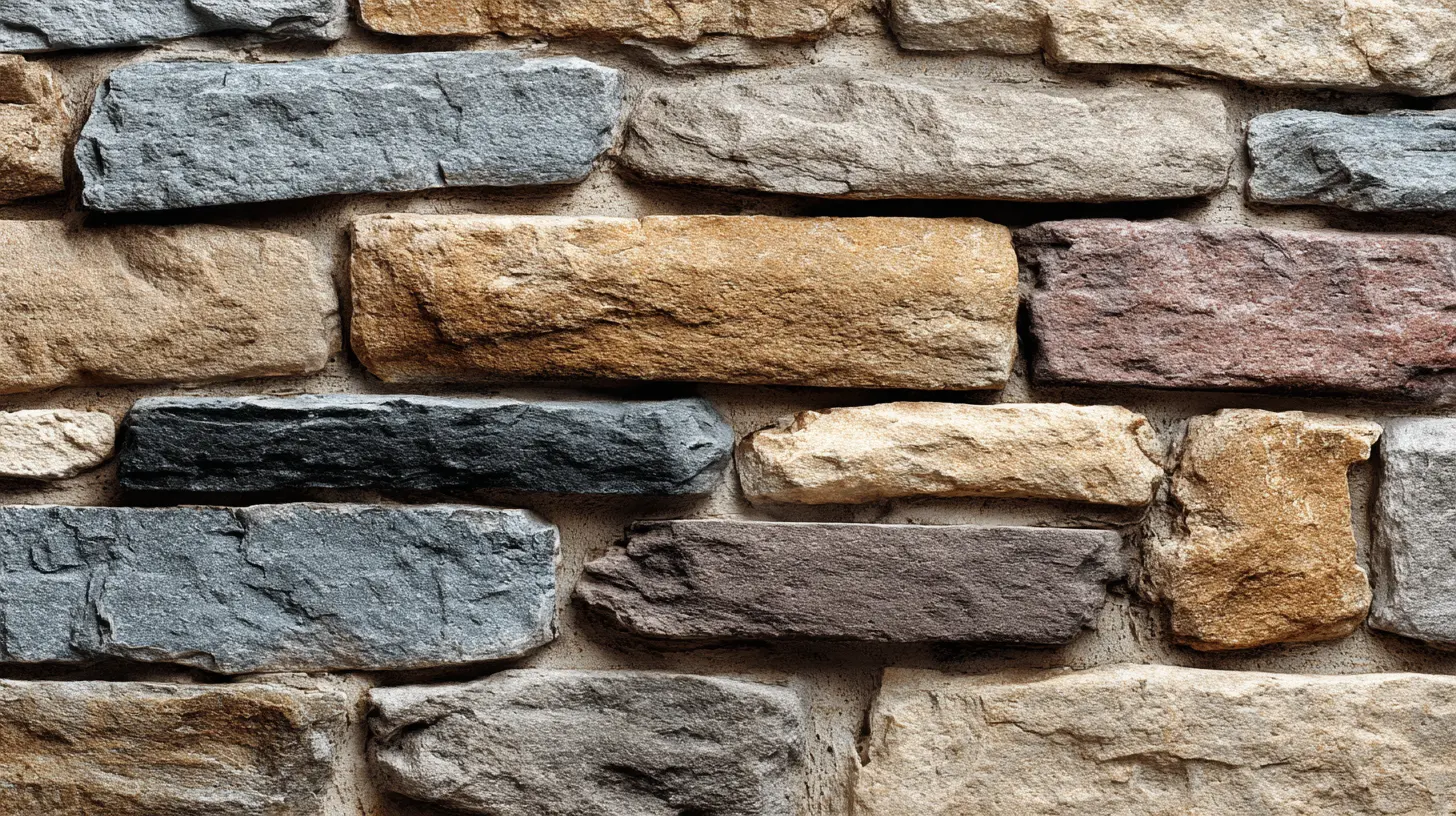
Why Walls Are Changing Right Now
To understand where wall treatments are heading, you have to understand what people are reacting against.The 2010s gave us the gallery-white interior. Clean lines, open plans, and walls that disappeared so furniture and light could do the talking. It was elegant, but it was also cold. Many people now describe those spaces as feeling like a hotel lobby rather than a home. That emotional gap is the engine behind the current shift.
There is also a practical dimension. Remote work turned the home into a stage. People sit in front of cameras for hours, and a blank wall behind them reads as forgettable. A textured or paneled wall reads as intentional. It signals care.
Finally, materials science caught up. Limewash, clay paint, and veneer panels that once required specialist crews or constant maintenance are now available in formulations that suit real, busy households. When a finish becomes easier to live with, it stops being a luxury and starts being a choice.
Limewash and Mineral Finishes
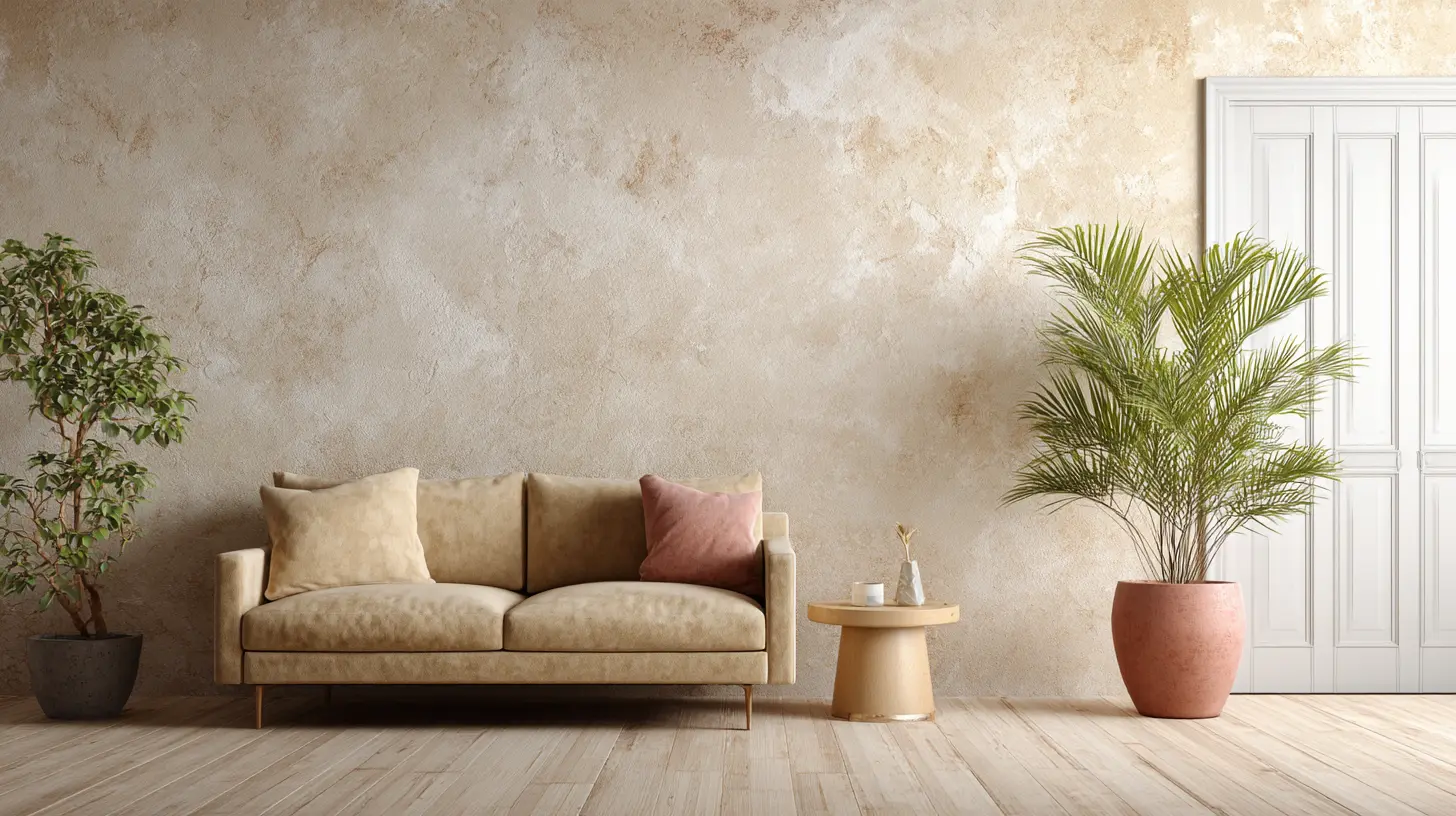
Limewash is the treatment most likely to define the next few years. It is an ancient finish, made from slaked lime, and it produces a soft, cloudy, mottled surface that shifts with the light. No two walls look identical.Why It Works
The appeal is depth. Flat paint reflects light evenly, which can make a wall feel like a sheet of paper. Limewash absorbs and scatters light unevenly, so the surface appears to breathe. In a room with a window, the wall changes character from morning to evening. That quality is hard to fake with standard paint, and it is exactly what people mean when they say a room feels alive.Mineral paints, which share chemistry with limewash, offer similar softness with a bit more durability and a wider color range. They cure into the substrate rather than sitting on top of it, which gives them a chalky, matte finish that flatters both natural and artificial light.
Where It Belongs
Limewash shines in living rooms, bedrooms, dining rooms, and anywhere you want a calm, enveloping atmosphere. It pairs beautifully with natural materials: oak, linen, stone, rattan. It also works well on walls with architectural quirks, because the mottling disguises minor imperfections rather than highlighting them.Where It Struggles
High-traffic areas are a problem. Limewash is alkaline and porous, and while modern sealers help, it is not the best choice for a mudroom, a child's playroom, or a commercial hallway. It can also be tricky on walls that receive harsh, direct sunlight all day, since uneven application becomes more visible.Common Mistakes
The biggest error is treating limewash like regular paint. It is applied in thin, overlapping passes, often with a brush or a specialized roller, and the goal is variation, not uniformity. Homeowners who ask for a "smooth, even" finish miss the point entirely. The second mistake is skipping a test patch. Because limewash is translucent, the final color depends on the base coat beneath it. Always test on the actual wall, not a piece of drywall in the garage.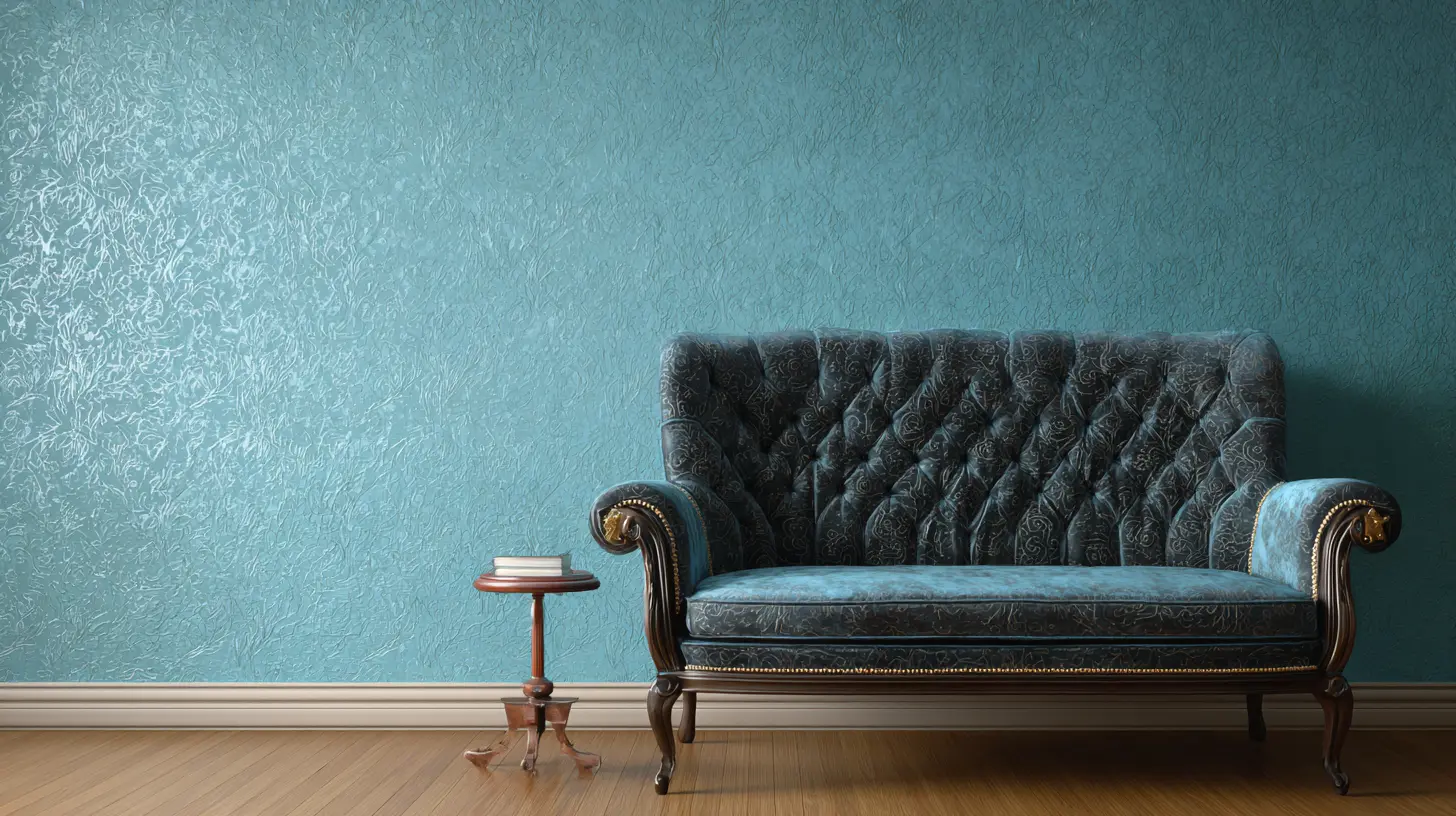
Textured Plaster and Venetian-Inspired Finishes
Venetian plaster and its modern cousins are polishing up for a major comeback, but in a softer, less glossy form than the high-shine versions of the 2000s.The New Look
The old Venetian plaster was mirror-like and dramatic. The new iteration is matte, stone-like, and subtle. Think of the surface of a worn limestone step rather than a polished marble countertop. This shift matters because the glossy version could feel dated and heavy, while the matte version feels grounded and contemporary.Why It Works
Plaster adds physical depth. You can feel it with your hand. In an era when so much of daily life is flat and digital, that tactile quality carries real emotional weight. It also performs well acoustically, softening echoes in open-plan spaces, which is a genuine functional benefit that paint cannot match.Trade-Offs to Weigh
Cost is the obvious one. A quality plaster finish typically runs several times the price of paint, and it usually requires a skilled applicator. You are paying for labor and craft, not just material. The other trade-off is commitment. Plaster is hard to patch invisibly. If you damage it, you may need to refinish the entire wall.Best Practices
Use plaster on a feature wall rather than every surface in a room. It needs contrast to feel special. Pair it with simple, flat finishes elsewhere so the texture reads as deliberate. And always ask your applicator for references and photos of completed work, because skill varies enormously in this trade.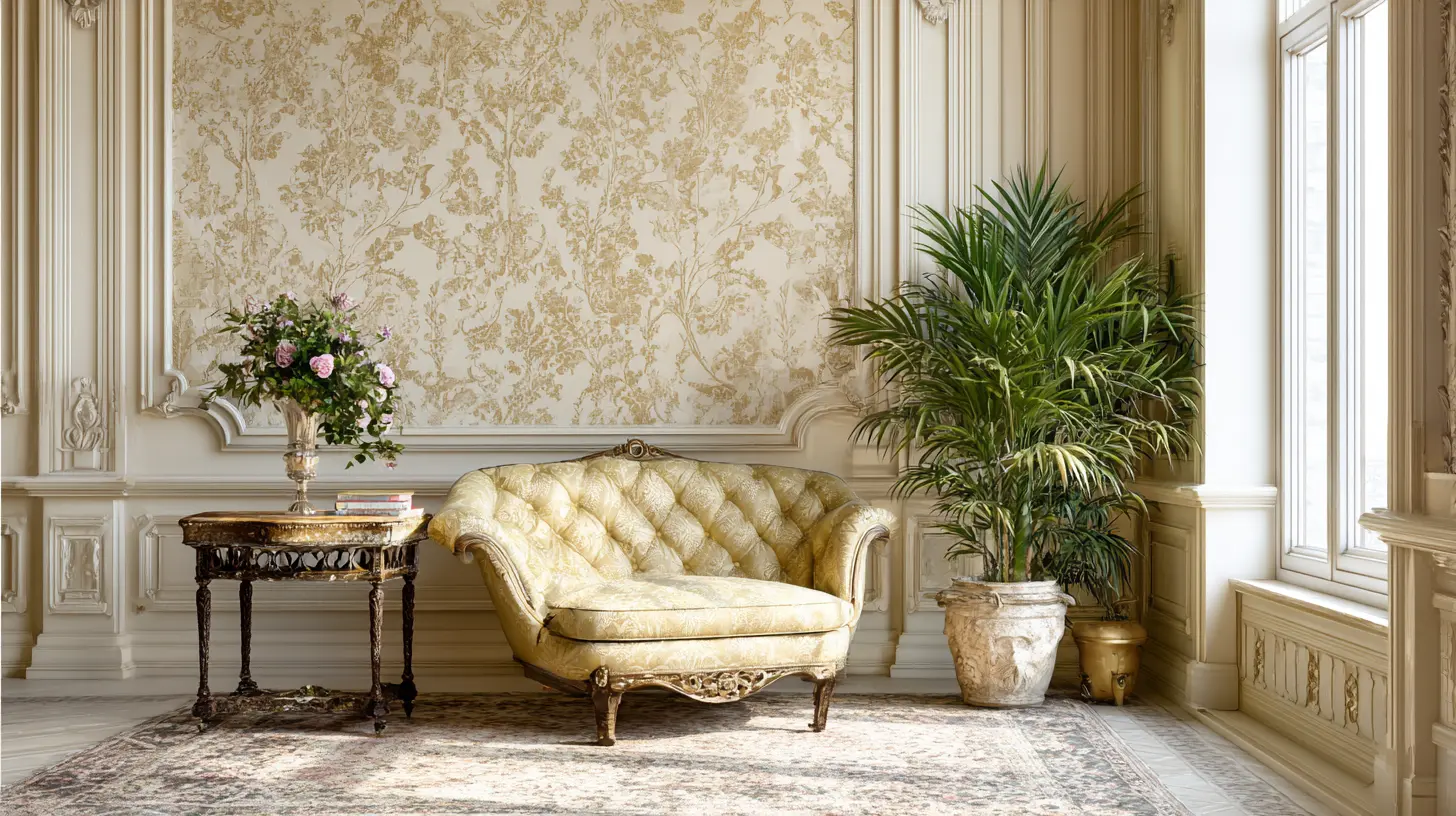
Wood Slat and Fluted Panels
Wood slats have been gaining ground for years, and they are not slowing down. By 2026, expect to see them in more refined, less repetitive forms.Why Slats Work
Vertical slats add height. They draw the eye upward and make ceilings feel taller. They also manage sound, breaking up reflections in a way that makes a room feel quieter and more intimate. And they bring warmth that no paint color can replicate.The Evolution
The early wave of slat walls was uniform and often used the same species and spacing everywhere. The next phase is more varied. Designers are mixing widths, introducing curves, and combining wood with acoustic felt backing for functional sound absorption. Fluted panels, which are essentially rounded vertical ridges, offer a similar effect with a softer, more classical feel.Where to Use Them
Media walls, headboards, entryways, and home offices are natural fits. A slat wall behind a desk looks intentional on camera and helps control echo during calls.Where They Fail
Small rooms can feel overwhelmed if slats cover too much surface. Humid rooms, like bathrooms without strong ventilation, are risky because wood moves with moisture. And cheap veneer slats can look convincing in photos but feel hollow and plasticky up close. If budget is tight, it is better to use real wood on one smaller wall than fake wood on a large one.Fabric, Grasscloth, and Natural Wallcoverings
Wallpaper never really left, but the category is being reshaped by natural materials.Grasscloth and Beyond
Grasscloth, made from woven natural fibers, offers texture and warmth with a handmade quality. It hides wall imperfections well and adds a layer of visual interest without pattern. Similar materials, including sisal, jute, and cork, are also gaining traction.Why the Shift
People want surfaces that feel connected to nature. Natural wallcoverings deliver that in a way that printed vinyl cannot. They also age gracefully, developing a patina rather than looking worn out.The Honest Downsides
Grasscloth is difficult to clean. It stains, and seams can show. It is not ideal for kitchens, bathrooms, or homes with pets that scratch. It also fades in strong sunlight. If you love the look but need durability, consider a high-quality embossed vinyl that mimics the texture, or use natural materials in low-traffic rooms only.Installation Matters
These materials are unforgiving. A poor install shows every seam and bubble. Hire an experienced paper hanger, and order extra material in case of mistakes or future repairs.
Color-Drenching and Monochromatic Rooms
This is less a material and more a strategy, but it will be everywhere by 2026.What It Is
Color-drenching means painting walls, trim, ceilings, and sometimes doors in the same or closely related tones. The result is a room that feels cocooned and cohesive.Why It Works
When every surface is the same color, the eye stops noticing edges and starts noticing atmosphere. The room feels larger and calmer, not smaller, which surprises many people. It also eliminates the visual clutter of contrasting trim, which can make a space feel busy.Where It Shines
Bedrooms, libraries, dining rooms, and small spaces benefit most. A deep green or warm brown drenched room feels like a retreat. A soft cream drenched room feels airy and serene.Where It Can Go Wrong
Low ceilings plus dark drenching can feel oppressive if the room lacks natural light. And glossy finishes on every surface can feel clinical. The fix is to vary sheen: matte on walls, satin on trim, and perhaps a gloss on the ceiling for a subtle shimmer.The Rise of Sustainable and Health-Conscious Finishes
By 2026, what is in the finish will matter as much as how it looks.Low-VOC and Beyond
Low-VOC paints are now standard in many markets. The next step is finishes that actively improve indoor air quality, or at least do not off-gas at all. Clay paints, lime plasters, and plant-based finishes are leading this charge.Why Buyers Care
Indoor air quality has moved from niche concern to mainstream priority. Parents, allergy sufferers, and anyone who has spent time in a freshly painted room with a headache understands the stakes.Practical Advice
Ask for the safety data sheet, not just the marketing claim. "Natural" does not automatically mean safe, and "low-VOC" does not mean zero. Ventilation during and after application still matters. If you are sensitive, choose a finish with third-party certification and test a small area first.
How to Choose Without Regret
With so many options, the decision can feel paralyzing. Here is a framework that works.Start With Function
Ask what the wall needs to do. Does it need to be scrubbable? Sound-absorbing? Moisture-resistant? A wall behind a stove has different requirements than a wall behind a sofa. Function first, beauty second. Beauty that fails functionally becomes a daily annoyance.Consider Light
North-facing rooms receive cool, indirect light, which can make warm textures glow and cool colors feel flat. South-facing rooms get strong light that reveals every flaw in a finish. Test your chosen treatment in the actual light of the room at different times of day.Think About Commitment
Some treatments, like paint, are easy to change. Others, like plaster or paneling, are semi-permanent. If you like to redecorate often, lean toward finishes you can update without a contractor.Budget for Labor, Not Just Material
The biggest surprise for most homeowners is how much of the cost is labor. A $40 can of paint becomes a $400 project once prep and application are included. Plaster and wallcovering are even more labor-heavy. Get itemized quotes and ask what happens if something goes wrong.Sample Everything
Never choose a finish from a photo or a small swatch. Order a sample, apply it to a board, and live with it for a week. Light, scale, and surrounding materials change everything.Mistakes That Undo Good Intentions
Even with the right treatment, execution can go wrong. Watch for these.Treating texture as a substitute for design. Texture adds interest, but it does not fix a poorly planned room. Layout, lighting, and furniture still matter.
Overusing a single finish. When every wall is a feature, nothing is. Contrast creates impact.
Ignoring transitions. Where one treatment meets another, the seam matters. Plan how edges, corners, and adjacent rooms will relate.
Skipping prep. Texture hides some flaws but not all. Cracks, bumps, and uneven drywall still show through many finishes.
Choosing based on trends alone. A finish you love in a magazine may not suit your home, your climate, or your lifestyle. Trends are a starting point, not a mandate.
What This Means for Resale
If you plan to sell within a few years, think about how a buyer will perceive your walls.Highly personal finishes, like bold drenching or heavy texture, can narrow your buyer pool. That does not mean you should avoid them. It means you should apply them thoughtfully, ideally in rooms where they add clear value, like a primary bedroom or a dining room.
Neutral, tactile finishes, such as limewash in a soft tone or subtle wood slats, tend to appeal broadly and photograph well, which matters in online listings. They read as quality without being polarizing.
A Realistic Prediction for 2026
Not every home will have plaster walls and fluted oak panels. Most will still be painted, and that is fine. But the definition of a "finished" room is expanding. Texture, depth, and material honesty are becoming part of the baseline expectation in well-designed homes.The treatments most likely to be everywhere are the ones that balance beauty with livability: limewash and mineral paints, refined wood slats, matte plaster accents, natural wallcoverings in low-traffic rooms, and color-drenching done with restraint. These are not passing fads. They solve real problems, from echo to blandness to a longing for warmth.
If you take one idea from all of this, let it be this: walls are not just surfaces to cover. They are part of how a room feels, sounds, and welcomes you. Choose them with the same care you give to furniture and lighting, and your home will reward you every single day.
all images in this post were generated using AI tools
Category:
Home ImprovementAuthor:

Lydia Hodge